
Pinned

9d •
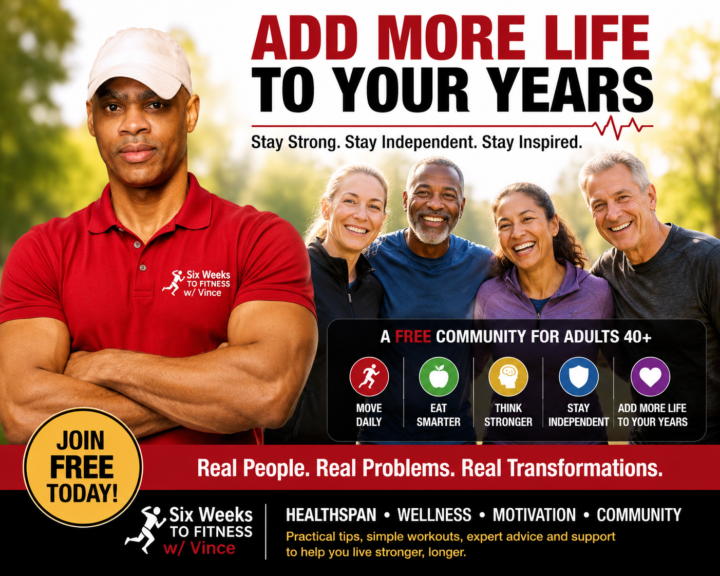
Exciting Changes Are Coming!
Hello everyone, First, I want to thank all 180 of you for being part of this community. Whether you've been here from the beginning or just joined recently, I'm grateful you're here. Over the past few months, I've been working on a new direction for Six Weeks to Fitness with Vince, and I'm excited to share it with you. Our community is becoming much more than a fitness group. We're building a place where adults 40+ can learn how to stay strong, healthy, and independent as we age. My goal is to help you truly add more life to your years. In the weeks ahead, I'll be hosting more live events, sharing practical healthspan tips, bringing in guest experts, answering your questions, and creating challenges that help keep us motivated and accountable. I also want this to be a community where we encourage one another—not just watch videos. I hope you'll join the conversations, attend the live sessions, and share your own experiences along the way. I'd love to hear from you... What's one health goal you'd like to accomplish over the next 90 days? Drop it in the comments. I'd really like to know, and it will help me create content that's most valuable to you. Here's to adding more life to our years! — Vince
Pinned

13d •
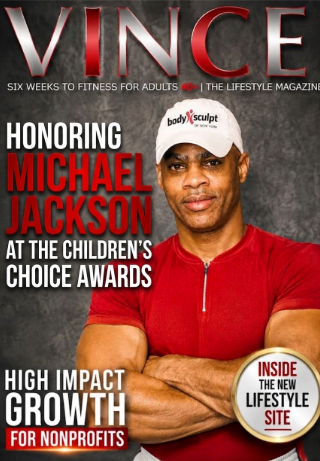
BIG NEWS: Inside the Inaugural Issue of VINCE Magazine!
Family, we have something incredibly special to share with you all today. When we say our very own Vince Ferguson has lived an extraordinary life dedicated to wellness and impact, we mean it. But this latest story truly takes the cake! We are officially dropping the inaugural issue of VINCE: Six Weeks to Fitness for Adults 40+ Lifestyle Magazine, and the cover story features a deeply personal, never-before-heard throwback. 🌟 That Time Vince Met the King of Pop 👑 In this premier issue, Vince takes us behind the scenes of the 1994 Children's Choice Awards, where he shared an unforgettable experience with the honoree himself—Michael Jackson! Vince is breaking down: - What it was really like being in the room with one of the biggest icons in history. - The incredible energy, the behind-the-scenes moments, and the lessons he took from that night. - How those brush-with-greatness moments fueled his lifelong passion for helping others step into their own greatness. Where to read it: Head over to the link below to grab your digital copy of the inaugural issue right now! Let’s show Vince some massive love in the comments! 👇 Drop a comment if you read it to congratulate Vince. You will very quickly realize that you are missing out on fitness and wellness tips by not connecting with Vince in chat from time to time. (Don't solicit him, but if you need help, reach out to him. He is available for personal coaching. He will share his rate for this service with you.) See Vince's Interview here along with a SURPRISE you won't forget! VINCE: Six Weeks to Fitness for Adults 40+
1
0
Pinned
Dec '24 •
Start Here: Welcome to Six Weeks to Fitness Skool!
We are so excited to have you here, and we want to begin by acknowledging something important: you didn’t just join a fitness program. You joined a community of people who understand the struggles you’ve faced, the ups and downs, and the challenges that have made it feel difficult to truly put yourself first. Whether it’s the frustration of trying to find consistency, the disappointment of feeling like your efforts haven’t paid off, or the overwhelm of juggling everything else in life while trying to prioritize your health — we see you, and we hear you. But here’s the truth: this is your time to make a change. And that change doesn’t have to be overwhelming. It doesn’t have to be perfect. What matters is that you’re here, and you’ve taken the first courageous step toward investing in yourself. You are worthy of this journey, and you deserve to feel your best. We will be here to support you in every way possible. We’ll challenge you, encourage you, and celebrate with you. More importantly, we’ll help you uncover the strength you’ve always had within you — the strength to move past the barriers that have been holding you back. You are more capable than you realize, and this is the moment when you begin to truly believe in your potential. You are not alone in this. You have a community of like-minded individuals cheering you on, and together, we will use your membership as a turning point in your life. This is your time to reclaim your health, your confidence, and your happiness. You’ve already taken the hardest step by being here — and now, let’s take it one day at a time. Welcome to Six Weeks to Fitness Skool. Your journey starts today, and we couldn’t be more excited to be a part of it! 💪❤️ Start Here: *Please, introduce yourselves. Tell us what you'd like to accomplish within this community and how we can help you. Don't forget to mention your goals. *Explore the Newsletters written by Vince in the community to discover health and fitness information and receive encouragement. Respond to some of the questions in the Newsletter postings, so that you can further engage and interact with community members.

19h •
Taming the Late-Night Craving Cycle
We've all been there. The day went beautifully, your workouts were on point, and you felt completely aligned with your goals. Then, late evening rolls around, and suddenly the kitchen cabinets start calling your name. It is easy to blame a lack of willpower for these midnight cravings, but that is rarely the case. More often, late-night hunger is a physical response to under-fueling earlier in the day, fatigue, or stress. It is a very common hurdle on the fitness journey, and we can solve it together with a few simple adjustments. Here is a simple, three-step action plan to break the craving loop and set yourself up for a restful night of recovery. 1. Fuel properly during the day Ensure that your lunch and dinner contain plenty of high-quality protein and fiber. When you under-eat during the day, your body works overtime at night to make up for the energy deficit, triggering intense cravings for quick energy sources like sugars and simple carbohydrates. 2. Establish a post-dinner signal Create a physical transition that tells your brain the eating window is complete. Brushing your teeth immediately after dinner or preparing a warm cup of caffeine-free herbal tea, such as peppermint or chamomile, works beautifully as a cognitive stop sign. 3. Separate fatigue from hunger Many late-night cravings are actually your body asking for rest, not food. When we stay up past our natural sleep window, the hormone ghrelin rises, signaling hunger. If the urge strikes, commit to a ten-minute pause. Step away from screens, do some light stretching, or read a chapter of a book. If you are still truly hungry, opt for a small, protein-rich snack like greek yogurt or a handful of almonds instead of processed treats. Remember, progress is not about being perfect; it is about building sustainable habits that support your body and mind. Be gentle with yourself as you implement these shifts.
0
0

1d •
Our Saturday Morning Session Transition
Happy Saturday Morning Team, I was reaching out to let you know that our 11:00am session this morning is being cancelled. We have had very low turnout so perhaps it’s the scheduling. Meet me on Zoom on Tuesday night. Until then, keep moving forward. Glenna
2
0
1-30 of 636

skool.com/six-weeks-to-fitness-w-vince-6247
Transform in Six weeks with proven results: weight loss, inches lost, improved mental health, more energy, muscle gain, and greater flexibility!
Leaderboard (30-day)
1

+3
2
+2
Powered by